Another island region in the Philippines blessed with access to the freshest seafood is Mindanao. Because of its close proximity to other Southeast Asian countries like Malaysia and Indonesia, dishes in Mindanao are also influenced by their cuisine. Here are some must-try dishes when you’re in Mindanao:
Inihaw na Panga
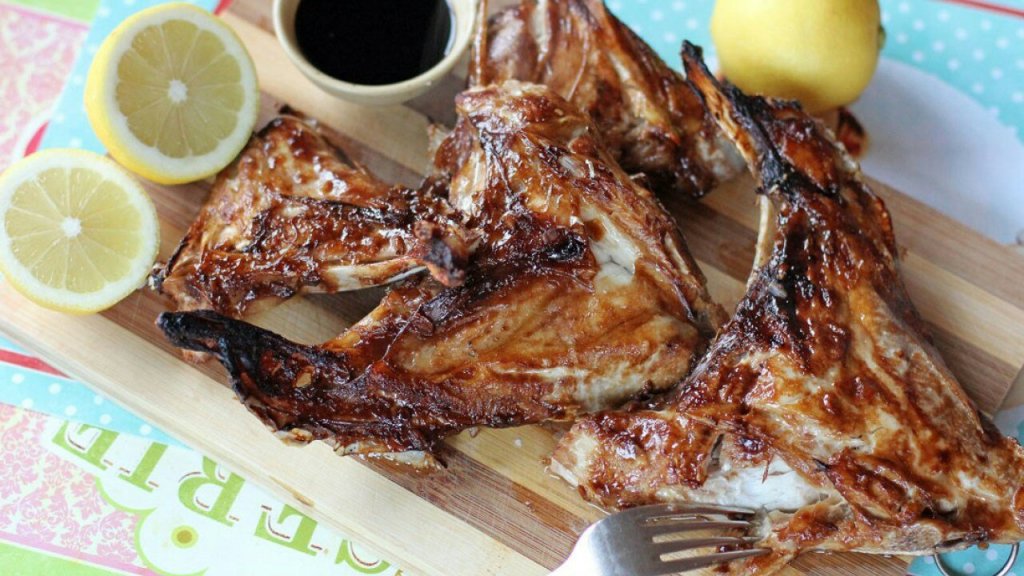
Inihaw na panga refers to grilled tuna collars and it has become a staple in Mindanao, particularly in Davao, where most Filipino grill restaurants have it on the menu. While a lot of the Philippine tuna meat is sold internationally, a lot of the collars remain in the country and locals have taken quite a liking to them.
Grilled simply with maybe just a splash of calamansi and a touch of salt. The meat from the tuna collar is much more flavorful and moist than regular tuna meat and the additional smokiness from charcoal fame makes the meat even more delicious.
Piyanggang Manok
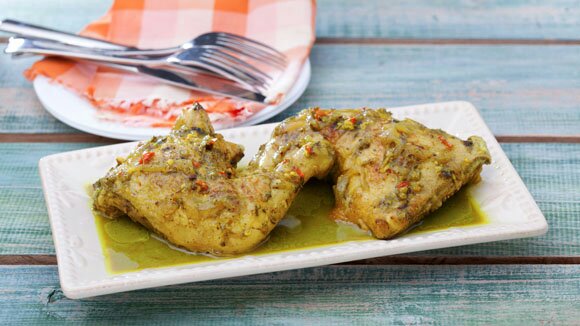
Although a little harder to find, chicken stewed with blackened coconut meat and a condiment called palapa (ginger, chilies and sakurab) until tender and then grilled, is worth the adventure. Intense flavors from the chilies and ginger penetrate the chicken while the burnt coconut surprisingly helps bring out the natural sweetness of the chicken.
Sinuglaw
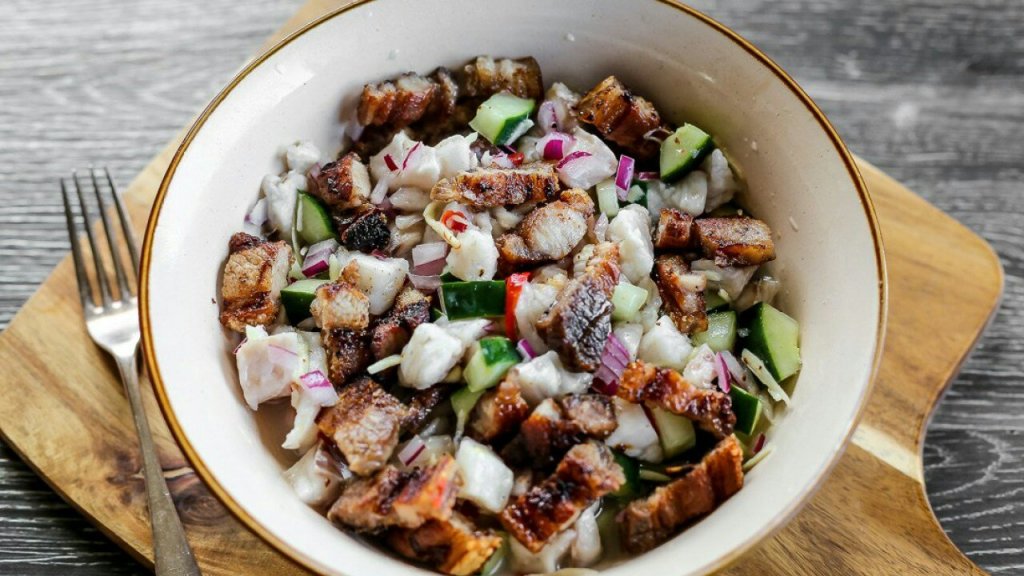
One of the most curious pairings in Filipino cuisine, Sinuglaw is a combination of grilled pork (sinugba) and raw marinated fish (Kinilaw). The smokiness of the grilled pork belly combines well with the sour vinegar marinade of the fish, cutting into the pork’s richness.
The dish, which is widely enjoyed in Davao, also has interesting textures from the cooked pork, ra fish and vegetables like raw cucumbers and radishes.
Barbecue
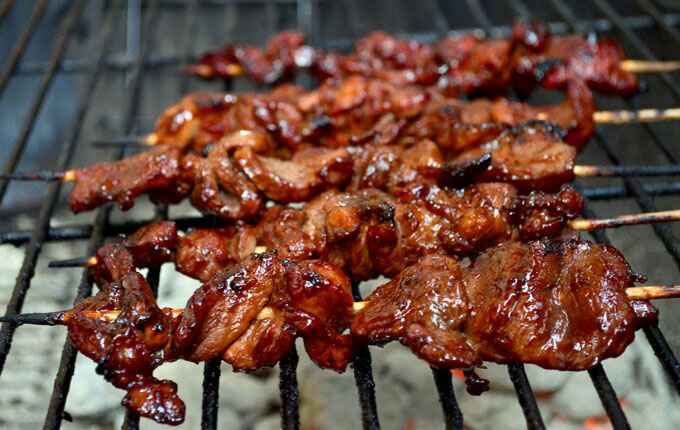
Unlike its American counterpart, barbecue in the Philippines is meat, usually marinated pork or chicken, skewered on sticks and grilled over charcoal. While marinades may differ depending on the chef, it usually consists of lemon lime soda, soy sauce, banana catsup and calamansi. The same marinade is also used to baste the meat as they are cooking.
Served in night markets in provinces like Davao and Tagum, it is one of those dishes that would be sweet, salty, sour, spicy and bitter all at the same time, making it easily one of the favorite dishes of many.
 Hometown Flavors